
Backup power
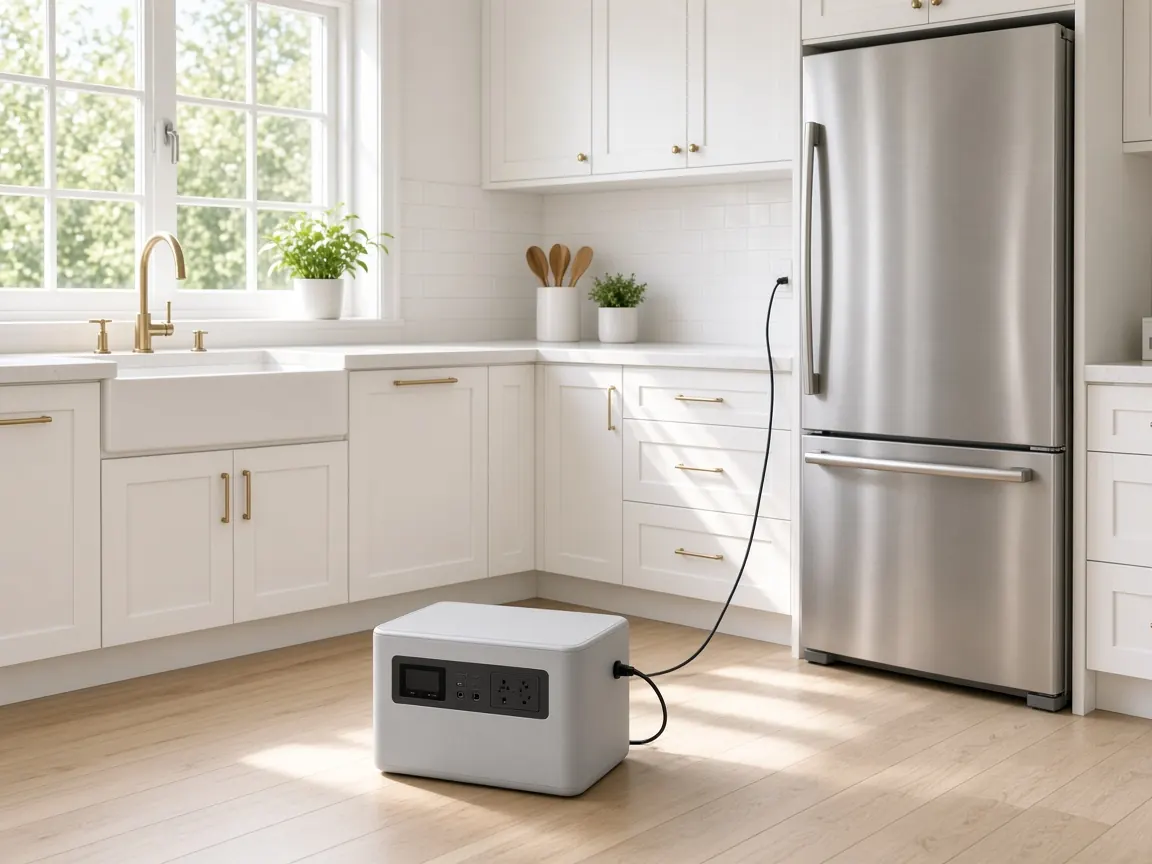
Portable power stations and solar generators can keep lights, phones, medical devices, and a refrigerator running when the grid is down.
Explore power optionsFamily preparedness, without the panic
Clear, practical guidance for extended power outages—backup power, food that keeps, clean water, light, and the everyday essentials that actually matter at home.
Written for households, not hobby preppers. We start with what a family can realistically store, use, and afford.
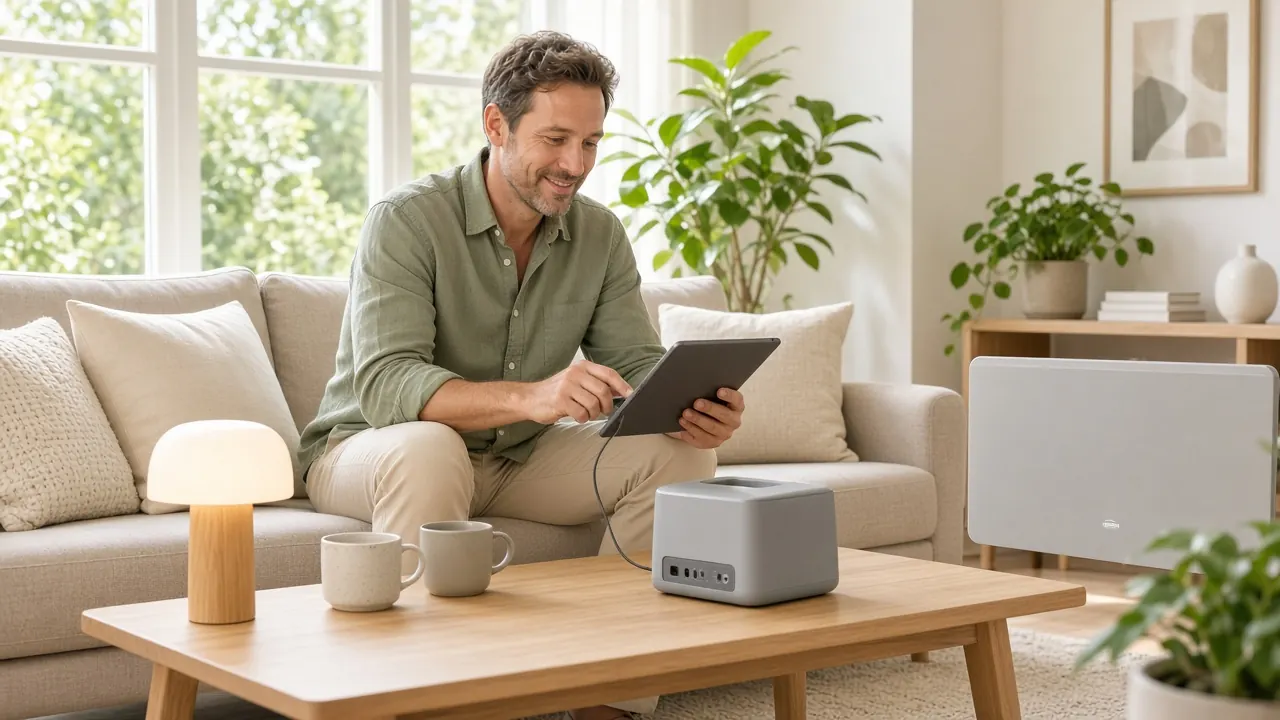
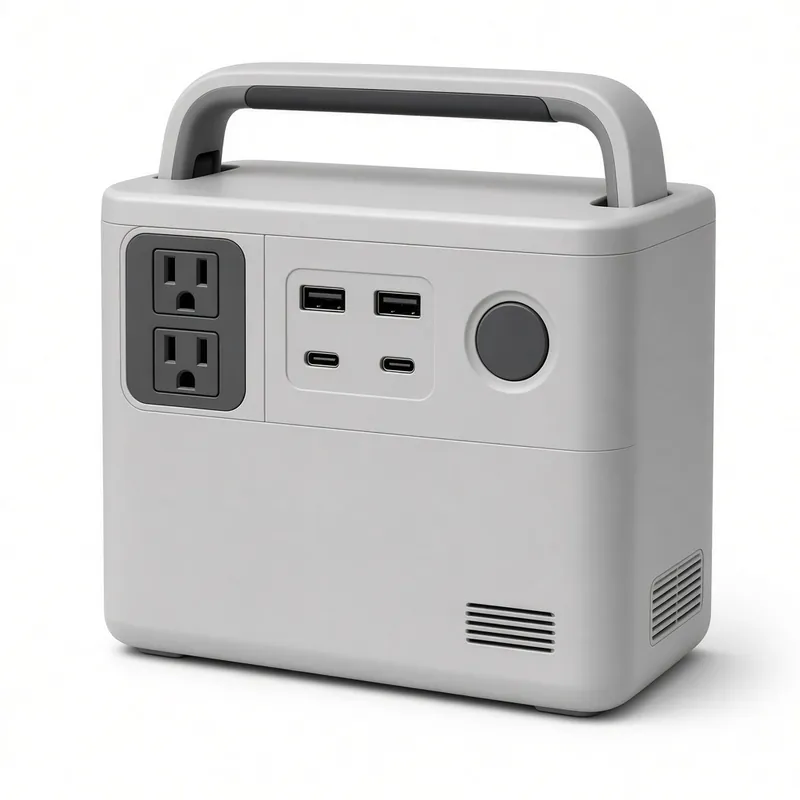 Backup powerfor phones, lights, Wi-Fi and the fridge
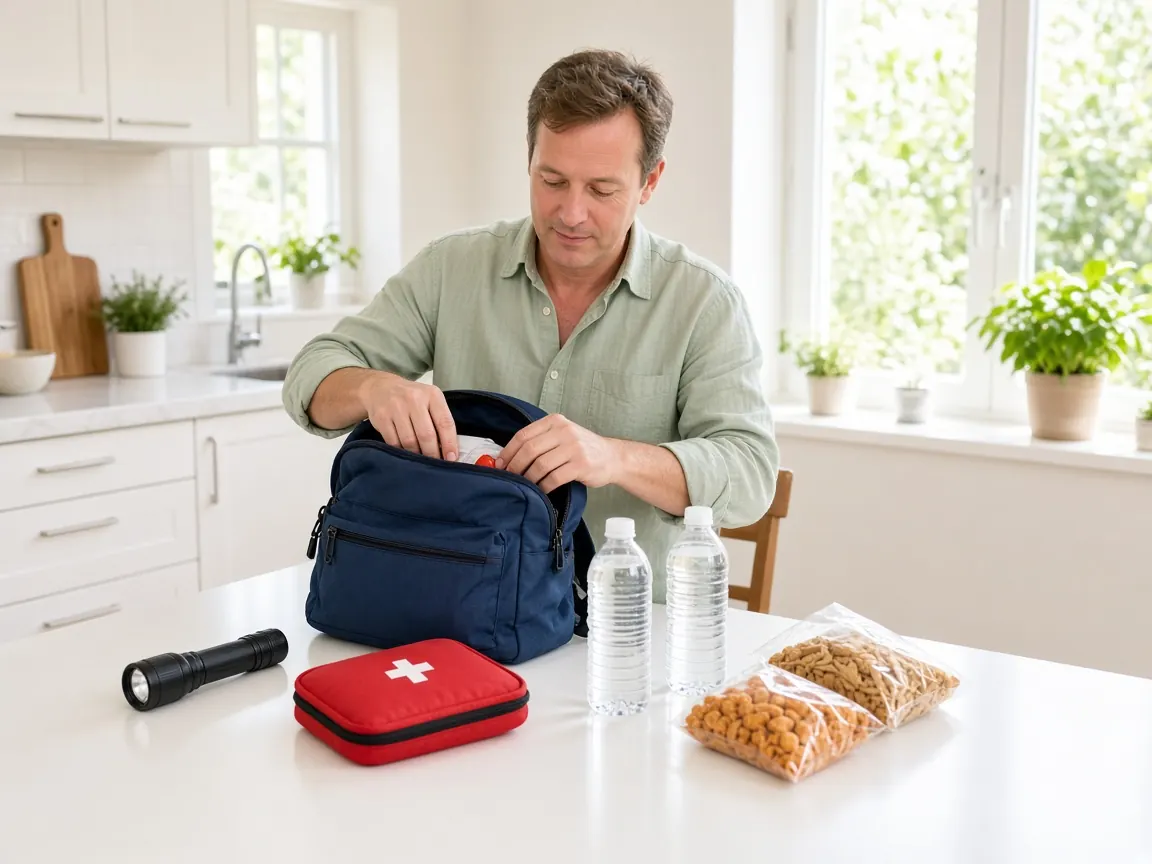



Most week-long outages come down to the same needs: power for a few critical devices, food you can cook simply, water you can drink, and a small kit of medical and household essentials.
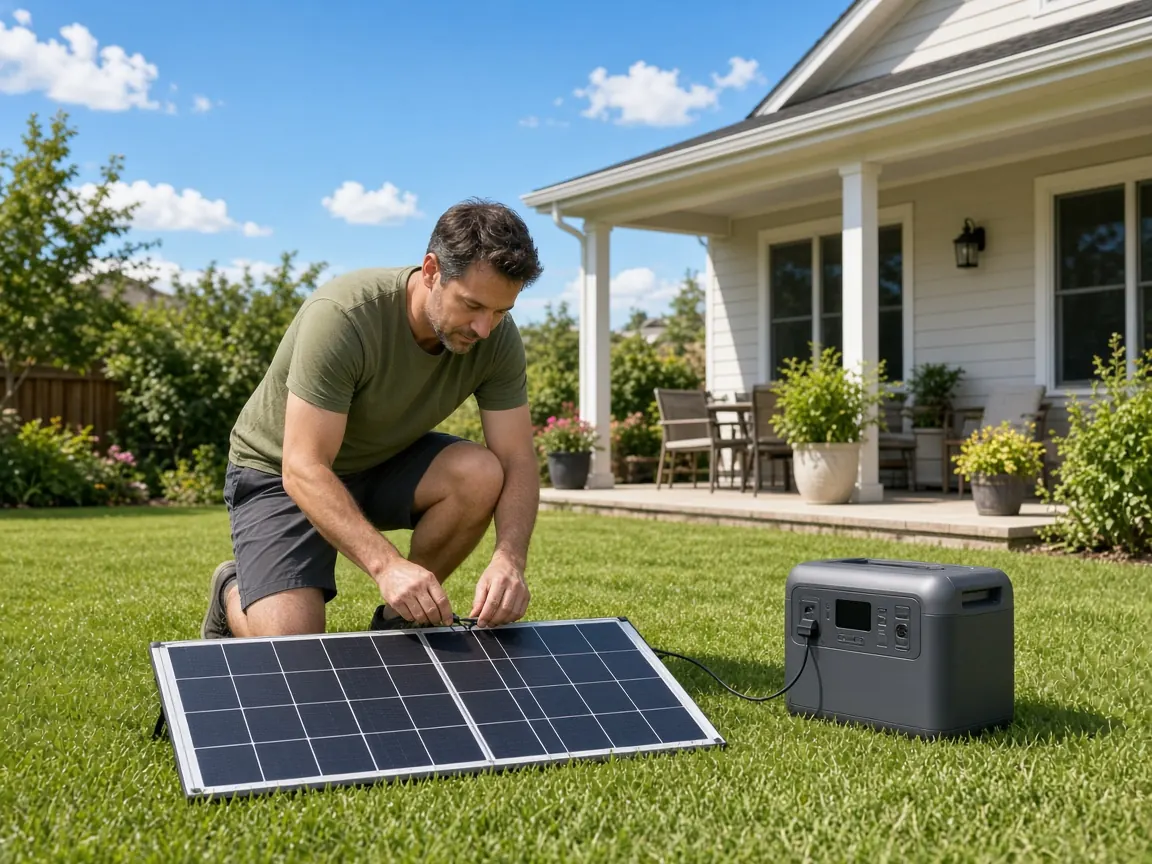
Portable power stations and solar generators can keep lights, phones, medical devices, and a refrigerator running when the grid is down.
Explore power options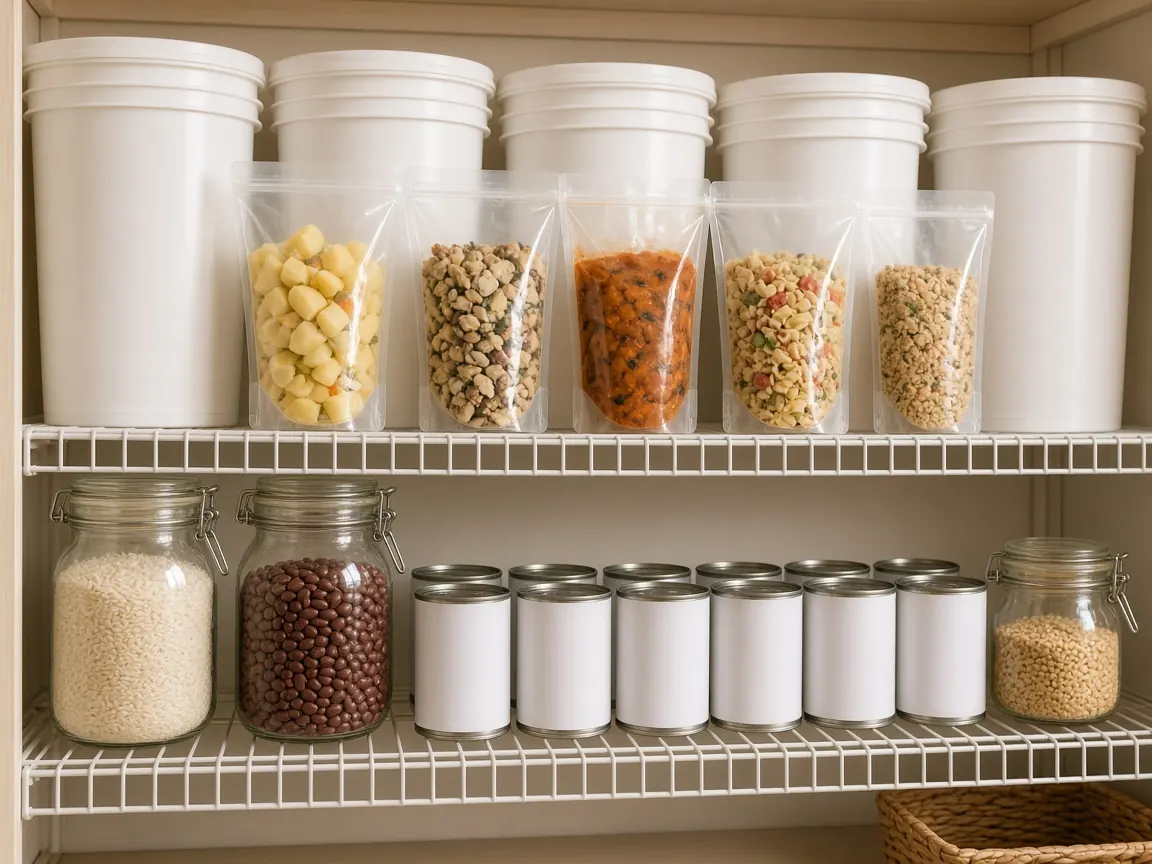

Freeze-dried and other long-shelf-life meals are useful when stores are closed or you cannot run a full kitchen.
Explore food storage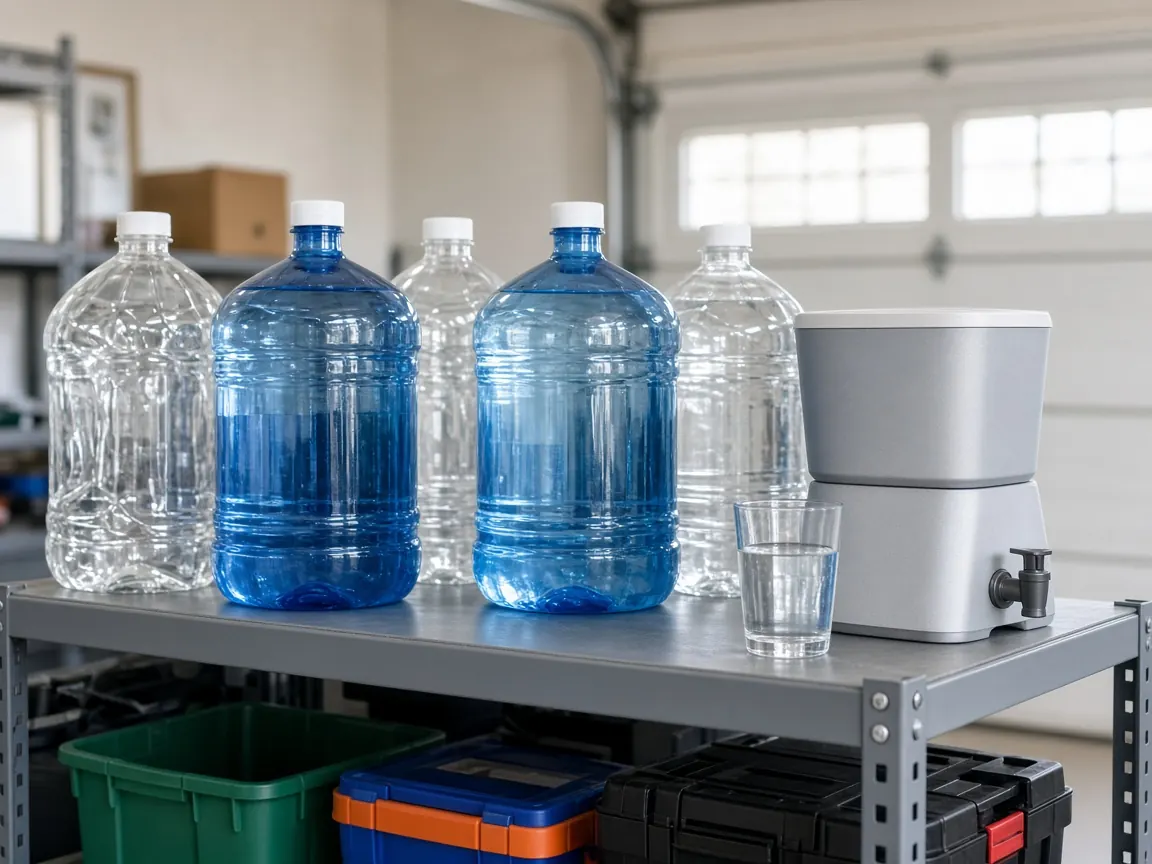

Store enough drinking water, and have a way to treat more—from simple filters to larger household systems.
Explore water options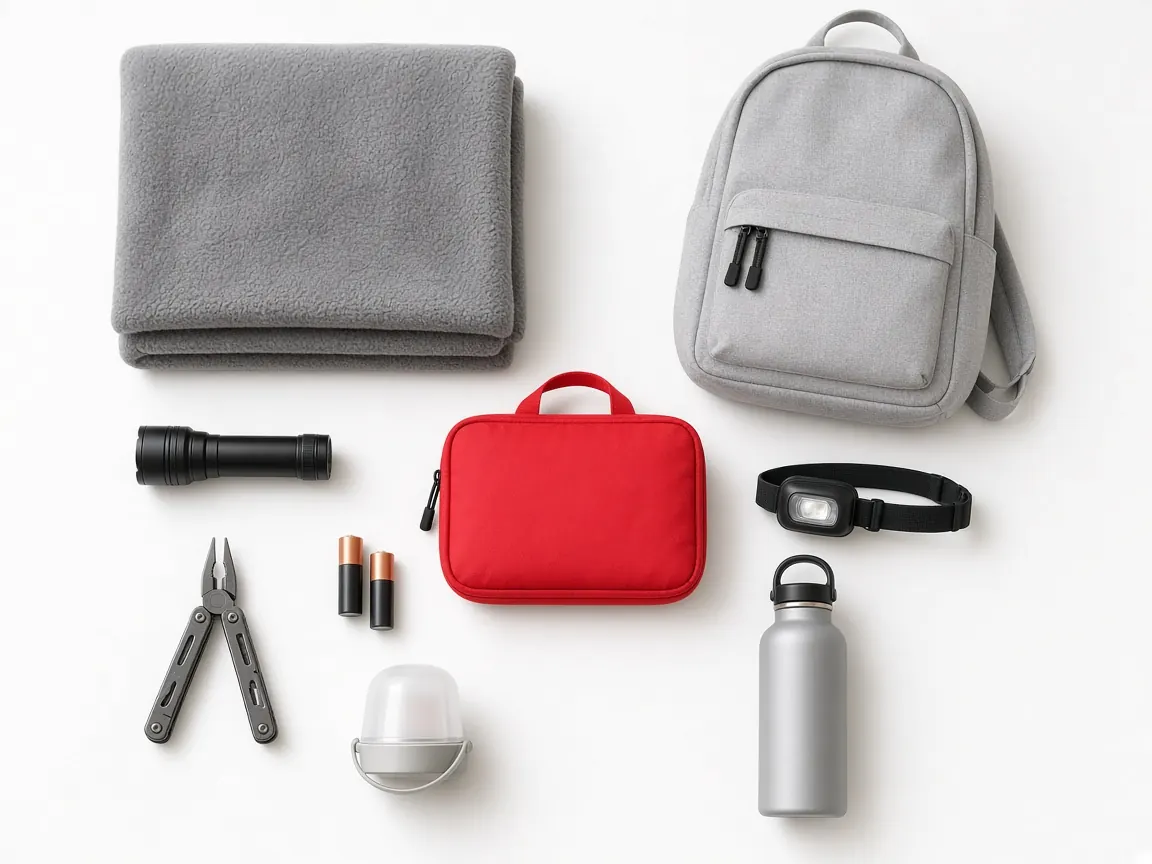

First aid, lighting, cooking, radios, and a go-bag for the hours when you cannot count on a store or a signal.
Explore essentialsThe gear most families end up wanting for a long outage. Tap a category for what to look for and the brands we compare.
Portable power stations
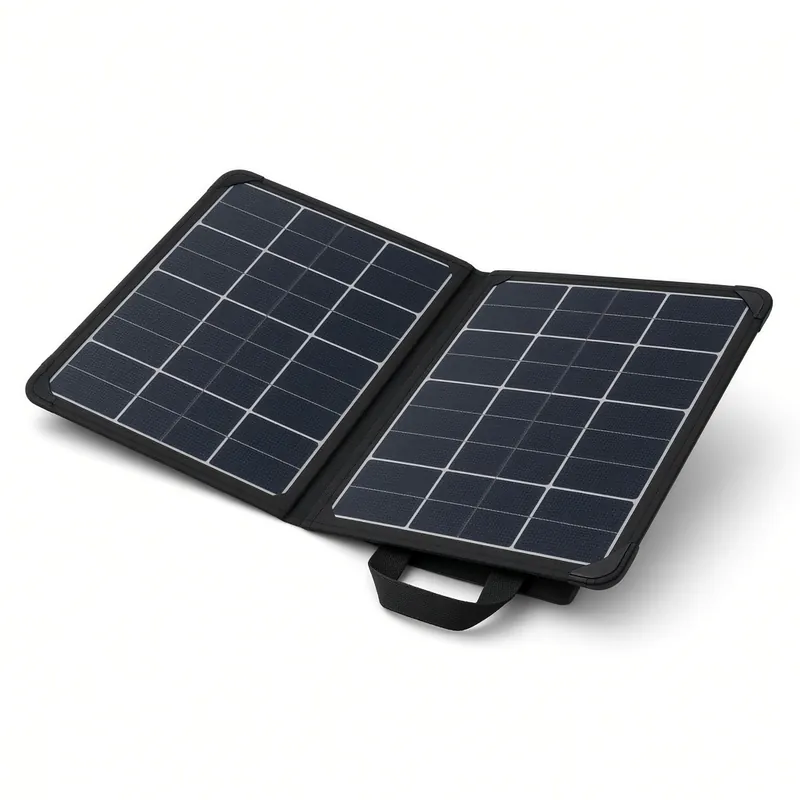 Solar panels
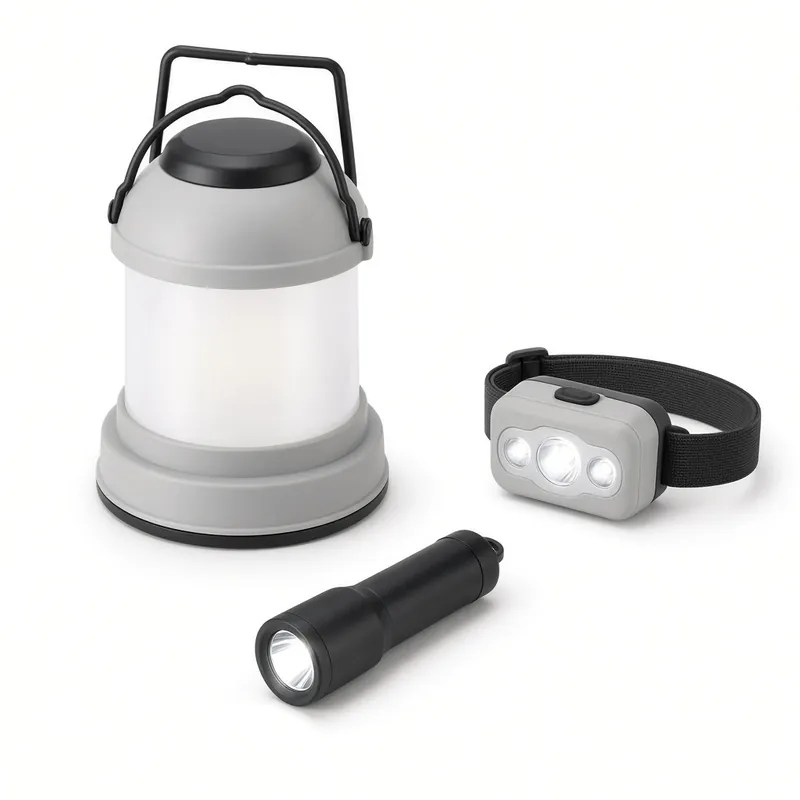 Lanterns & flashlights
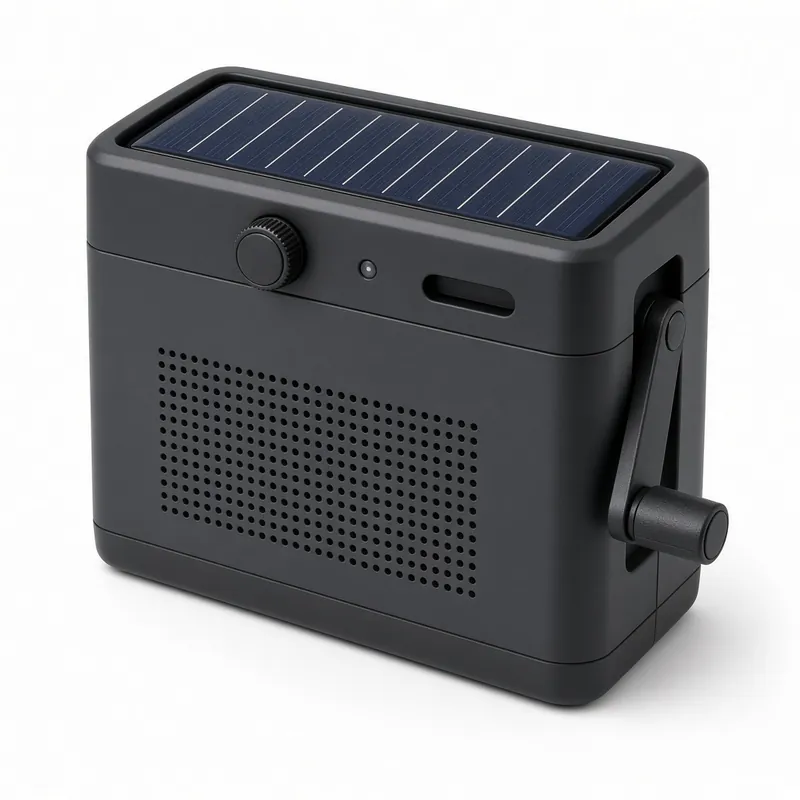 Emergency radios
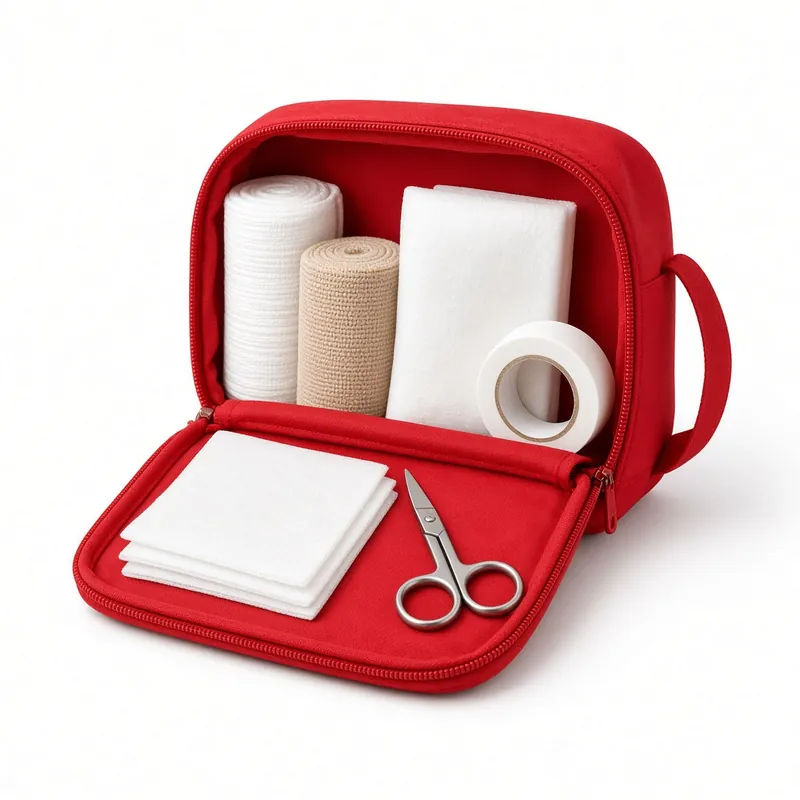 First aid kits
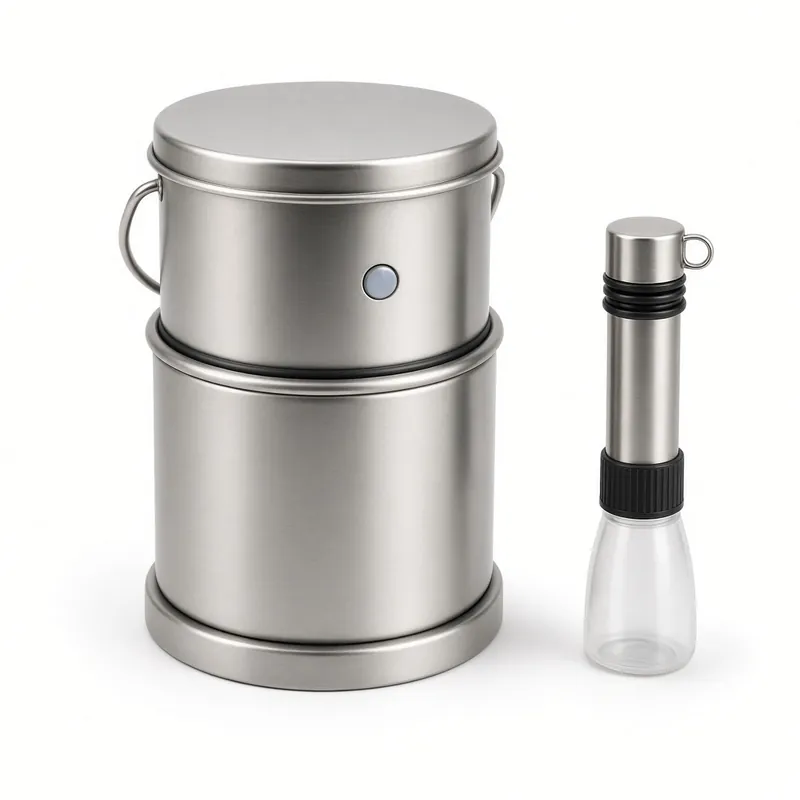 Water filters
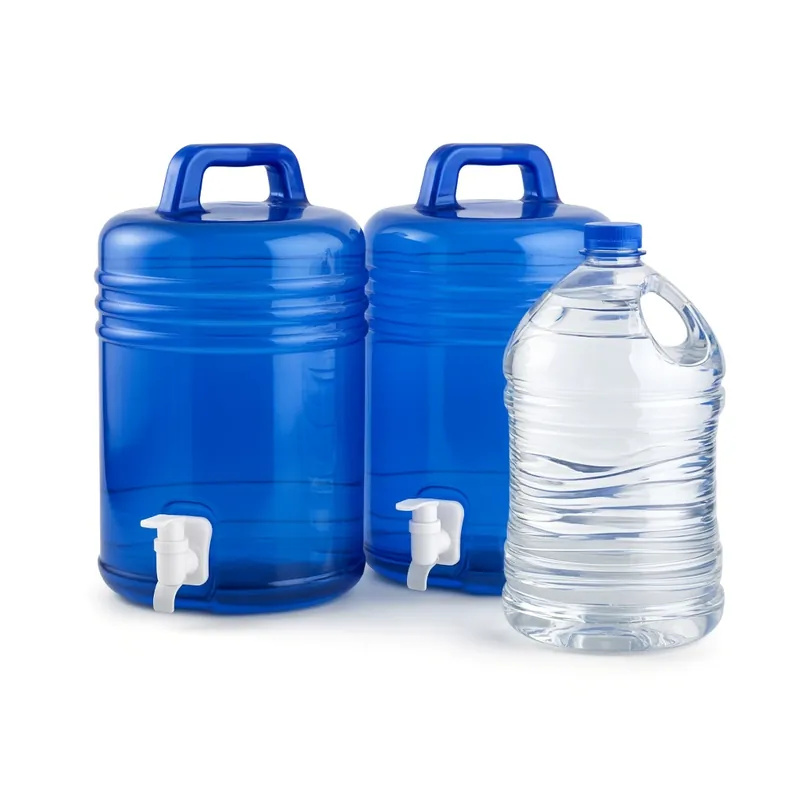 Water storage
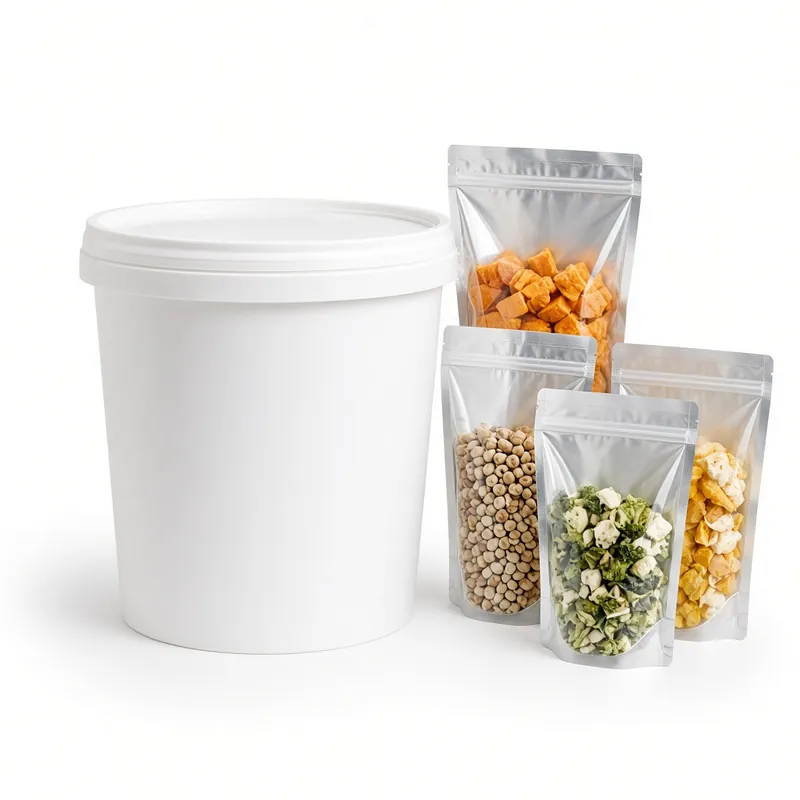 Freeze-dried food
Illustrative photos of generic products, not specific brands or models.
New · Nov 25, 2026
Heated blankets, battery-heated vests, gloves and socks, and indoor-safe propane heat, with honest runtime math and a carbon monoxide safety section.
Read the guideNew · Nov 25, 2026
A comparison of Byrna kits, POM and SABRE sprays, a TASER Pulse 2, and a no-power door barricade, with a clear safety and legality section.
Read the guideNew · Nov 25, 2026
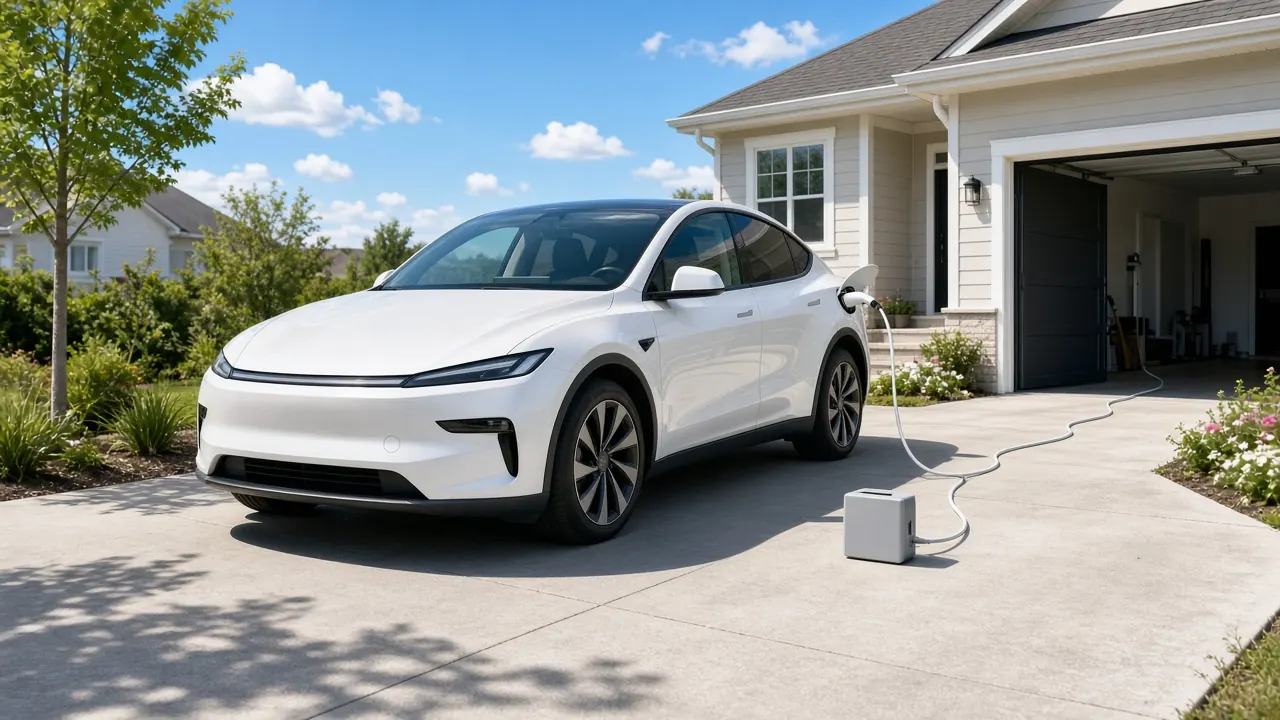
How EV-to-home adapters work, PowerBridge Pro vs Standard, who they fit, and the safety rules for connecting to your home.
Read the guideNew · Nov 24, 2026
In-stock alternatives from DJI, VTOMAN, ALLPOWERS, Dabbsson, Zendure and Duracell, with capacity, output, solar input and prices checked on each official store.
Read the comparisonCornerstone guide
A calm, step-by-step plan and printable checklist covering power, food, water, heat, light, medical needs, pets, and kids.
Read the guideA simple order of operations for a busy family.
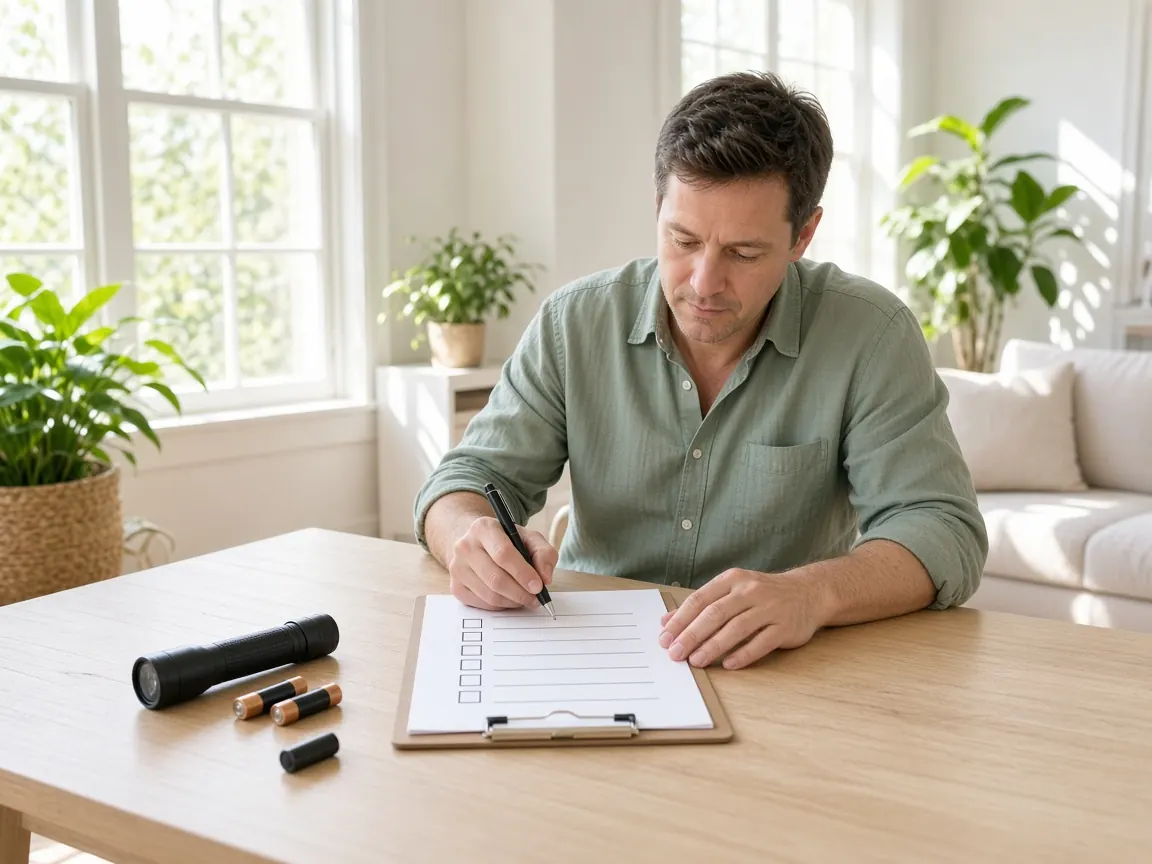
Write down the devices, medicines, and needs your household can’t go without. Our week-long guide has a printable checklist.
Get the checklistSize a portable power station for the essentials, and add solar if an outage could run for days.
Size a power station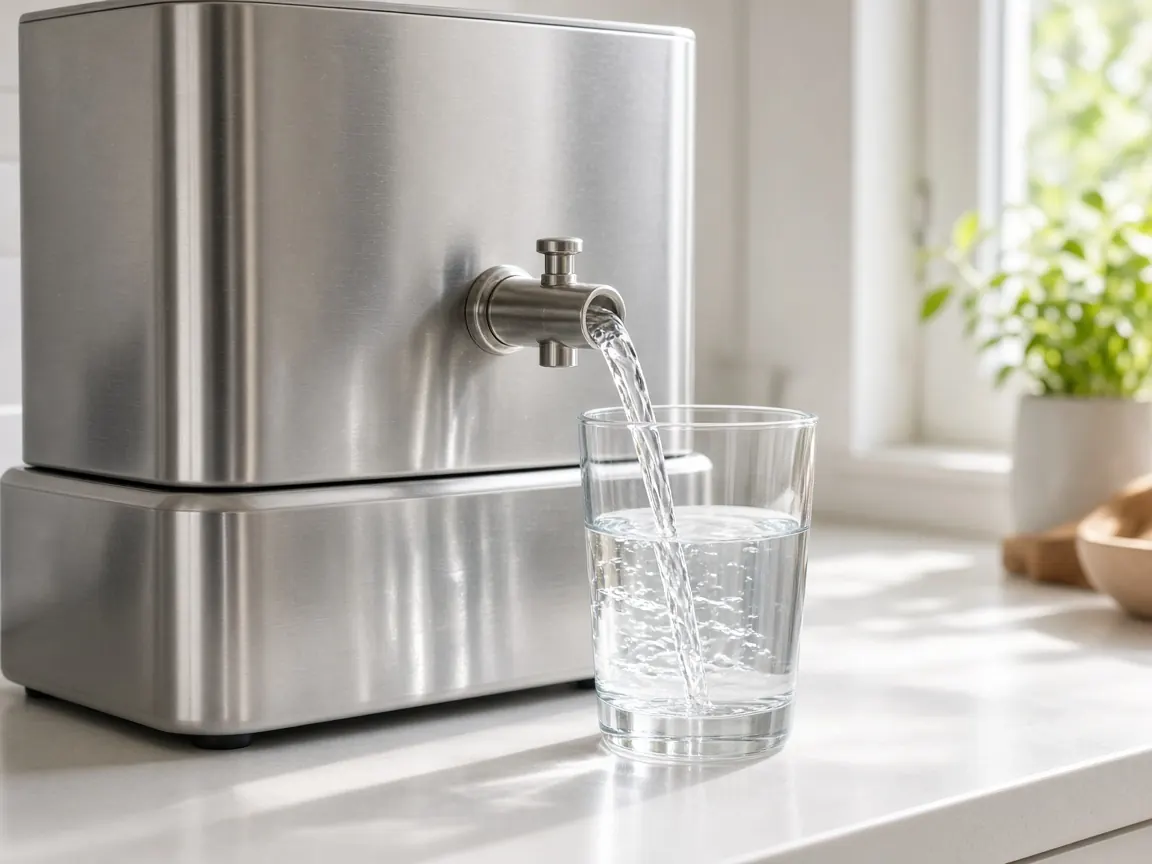
Store water first, add a way to treat more, and keep meals your family will actually eat.
Plan water and foodLight, first aid, a radio, and a go-bag keep the house calm after dark.
Build your kitThe baseline
After an emergency, Ready.gov says you may need to get by on your own for several days. These are its starting points for a household kit, and the week-long plan we build on. Source: Ready.gov, Build a Kit.

We write for a household in a regular neighborhood, not a bunker. Recommendations favor items you will actually use and maintain.

When we mention brands, we talk about how to evaluate them. Current watt-hours, runtime, and street prices belong on the manufacturer’s page, not in guesswork here.