Backup power, food, and water do most of the heavy lifting. Lighting, first aid, a radio, and a simple cooking plan are what keep a house calm after dark.
We may earn a commission if you buy through links on this page. Learn more.
Build a kit you will maintain
Pack the kit together so everyone knows where things areCheck it twice a year
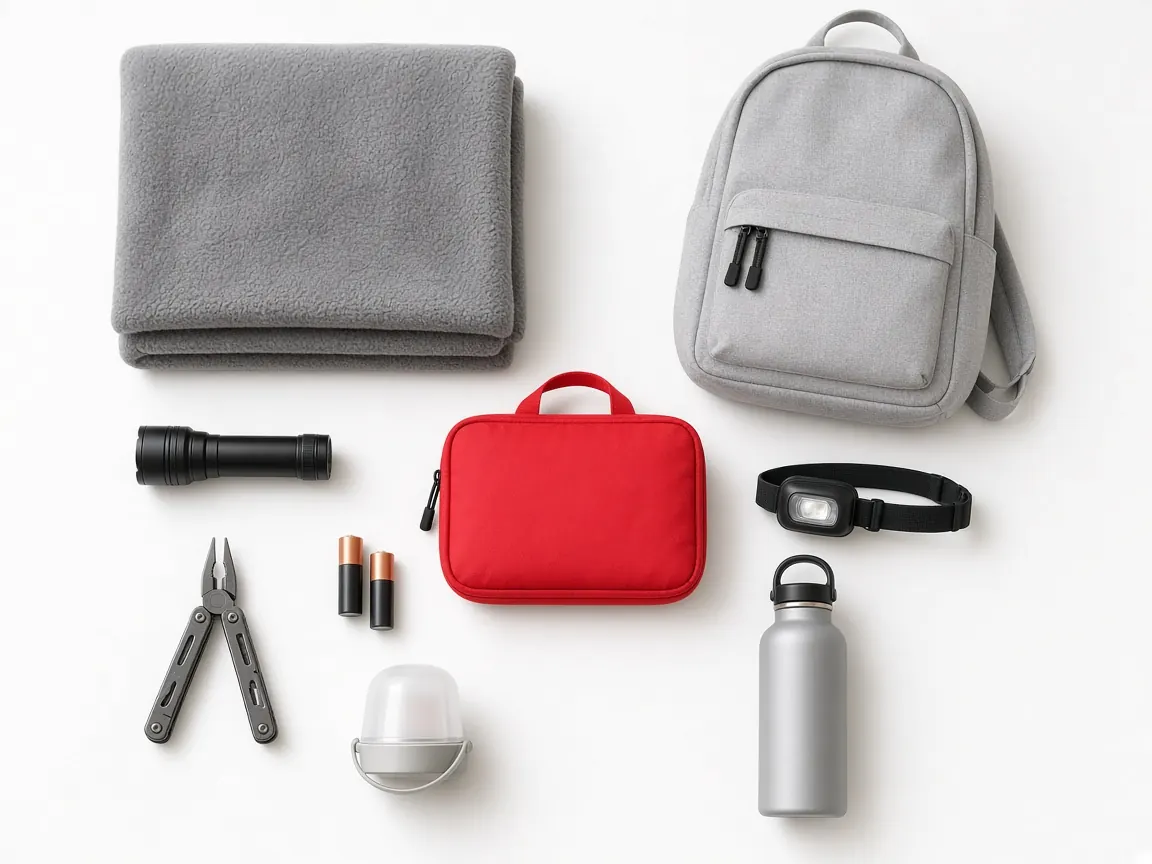
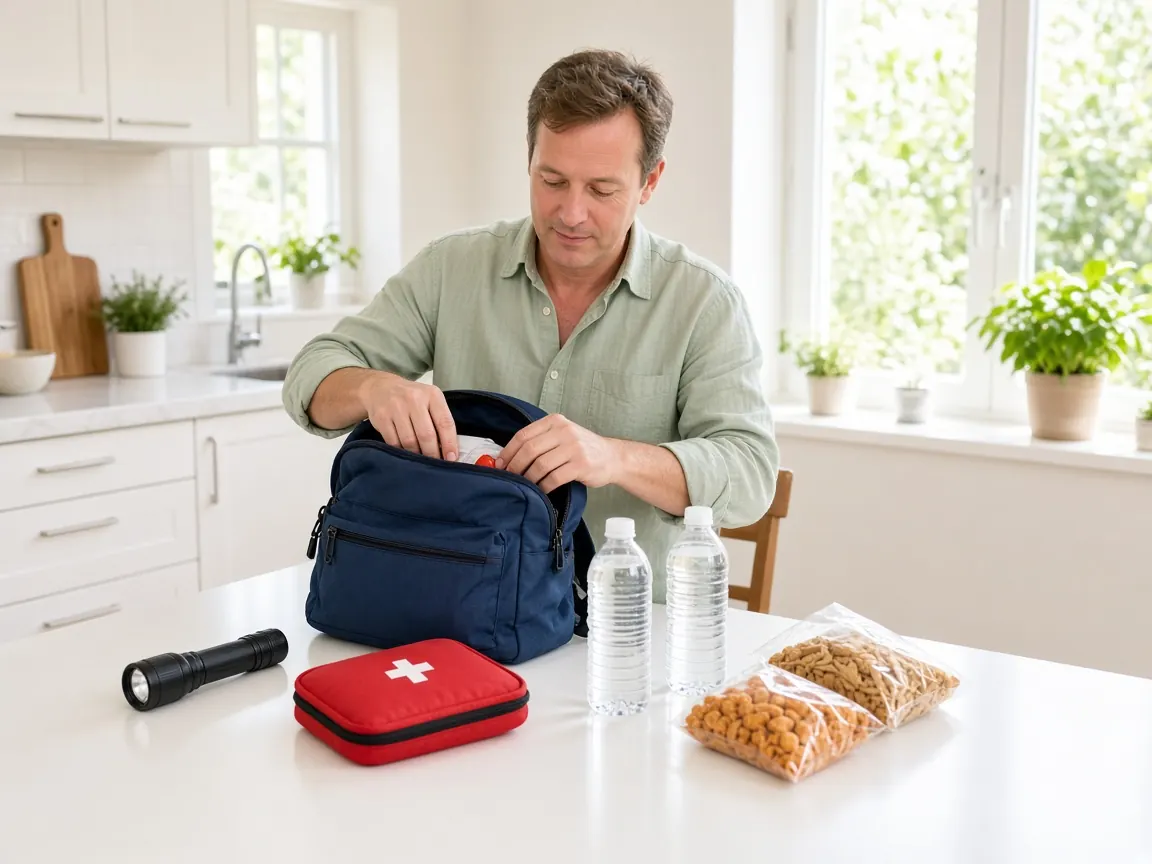
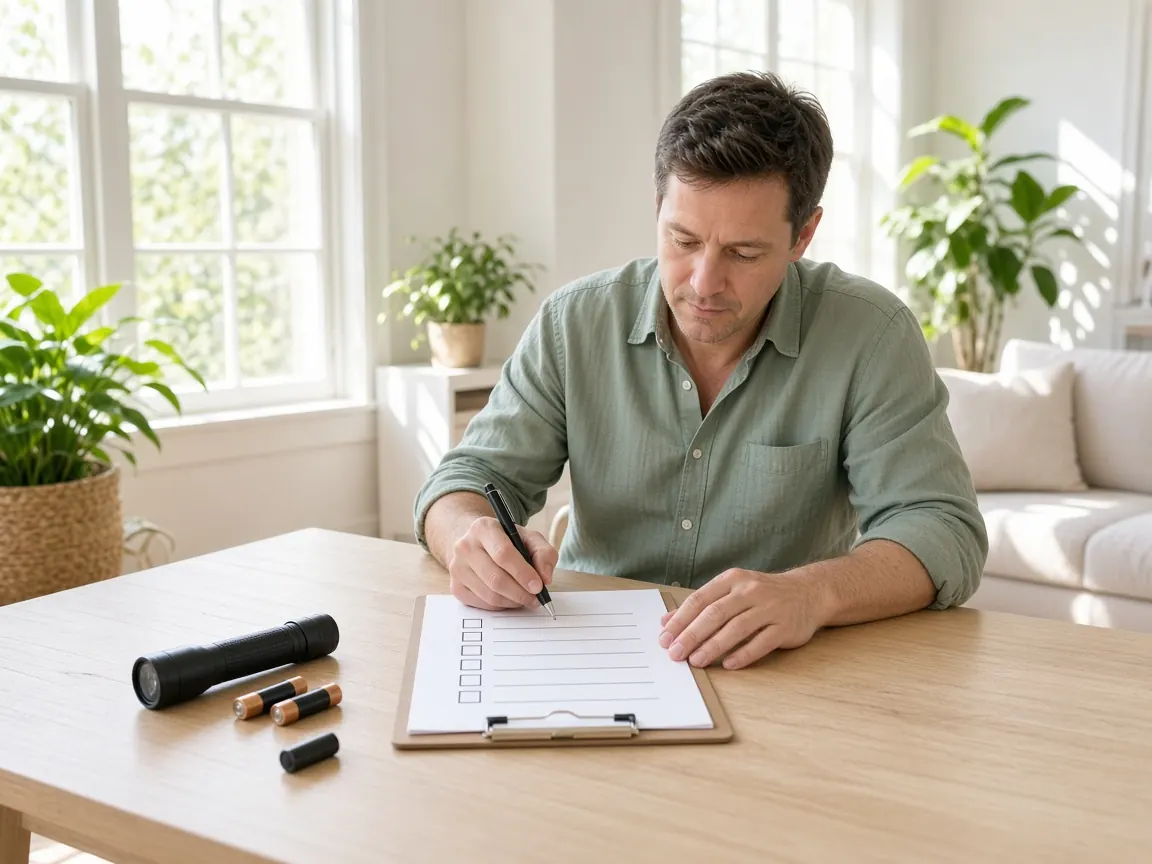
A tote in a closet beats a perfect list you never assemble. Check batteries, medications, and outgrown clothes twice a year. Keep a small version in the car if you commute or school-drop through storm season.
Lighting
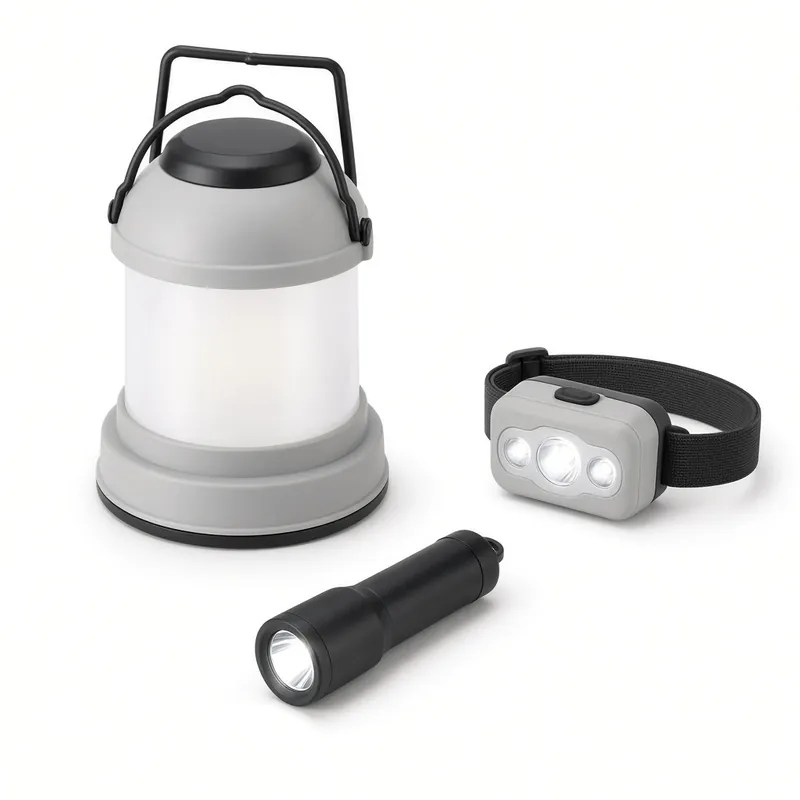
Headlamps leave your hands free. A lantern in a common room is easier for kids than a flashlight each. Prefer LED lights and store spare batteries or a way to recharge from your power station. Use candles only with extreme care; they are a fire risk.
First aid
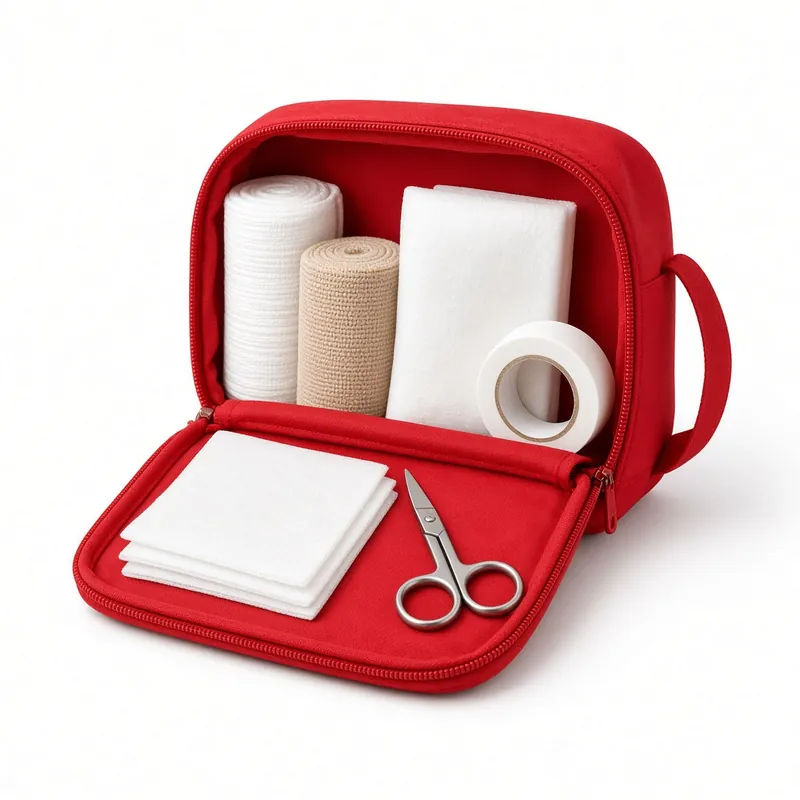
A home kit should cover cuts, burns, fever, and any prescription medications your family cannot miss. Include a written list of doses and allergies. Check expiration dates.
Cooking and warmth
A camping stove belongs outdoors. Indoor heating should never include charcoal, camp stoves, or a generator. Layer clothing, close off unused rooms, and know how your home’s heat works if you have a gas fireplace with a standing pilot or a wood stove that is actually rated for indoor use.
Information
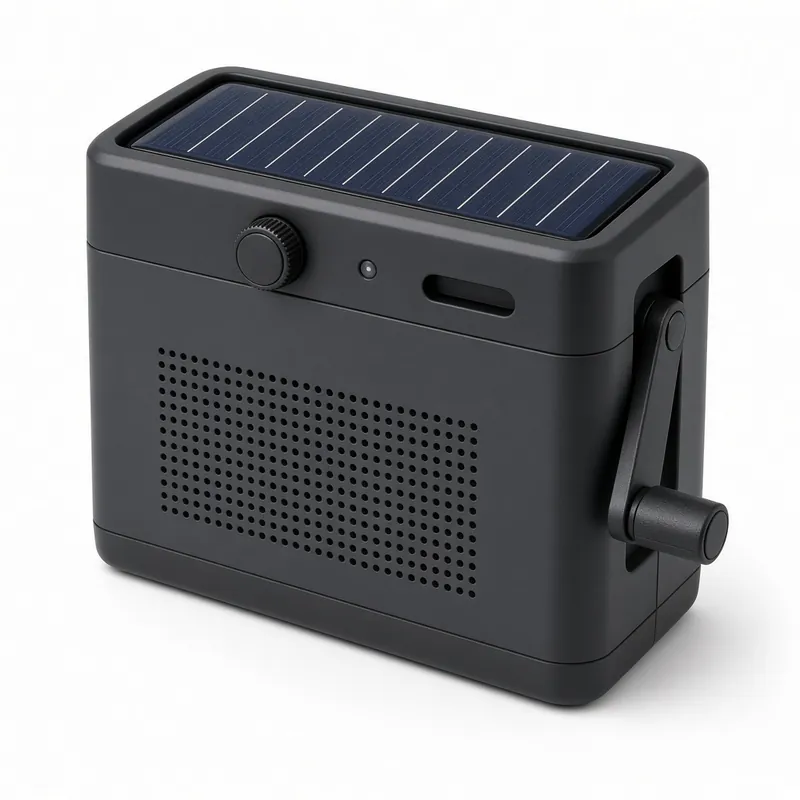
A NOAA weather radio or other emergency radio with a hand-crank or battery option still matters when cell towers are overloaded. Write down important phone numbers on paper. Charge backup battery packs before a storm, not during one.
Lanterns, headlamps, flashlightsA stocked first aid kitA hand-crank radio
Illustrative photos of generic products.
Home safety when the power is out
Alarm panels and cameras can go dark in a long outage. A floor-mounted door barricade does not need electricity, and some families also keep a legally owned less-lethal spray or launcher in a locked box, out of children’s reach. We published a comparison of Byrna kits, POM and SABRE sprays, a TASER Pulse 2, and a Night Lock door bar, with a required safety and legality section.
A power station will not run a 1,500-watt space heater for long. USB heated blankets, battery-heated clothing, and indoor-safe propane heat (only with a carbon monoxide alarm) are more realistic. We compared ReadyNest and ActionHeat options, with prices checked November 25, 2026, plus a safety section on carbon monoxide and fire risk.
Ready-made first aid kits for home, adventure, and family use. Compare kit contents against what you already have in the bathroom cabinet so you are not paying twice for the same items.
NOAA weather and emergency radios, plus two-way radios used for outdoor and preparedness communication. Confirm current models and weather-alert features on the official site.
Lanterns, headlamps, camping cookware, and pre-built 72-hour bags are often easiest to compare in one catalog. We will prefer specific brand programs when they are approved.